Your Drop Calendar Is Broken
📅 Creative arrives weeks after demand already peaks, and more!

Hello! You've arrived at What Actually Works 🤓
We break down the real strategies, decisions, and plays that actually move the needle in your marketing, and here it for today.
📅 Your Drop Cadence and Your Shoot Schedule Are Not the Same Calendar
Fashion brands moving toward quarterly drops or faster have a specific operational problem that rarely gets named directly: the creative production timeline does not match the product release timeline.
Shoots are planned weeks in advance, require model booking and post-production, and return assets after the drop window has already opened. The first wave of paid spend launches with whatever was available rather than what the drop required.
1. Map the Actual Gap Between Drop Date and Creative Delivery
Pull your last three drops and record when the shoot was scheduled, when assets were delivered, and when the drop went live.
For most brands running seasonal drops or limited releases, there is a two-to-four-week gap between when creative was needed and when it arrived.
That gap gets filled with repurposed assets from the previous cycle. The highest-intent window of every drop runs on creative that was not made for that product.
Not every asset needs to wait for a shoot. Model shots across body types and sizes, size reference photography, and channel-specific variants for paid, organic, and PDP can all be generated on demand.
Dreem handles exactly that: one product image returns model shots across 400+ virtual talents, front and back product shots, and video output across formats, on a timeline that fits inside the drop window rather than preceding it by weeks. You can sign up before today and get 600 bonus credits, enough for 50 full per-segment kits on your top SKUs.
2. Separate What Requires a Shoot From What Does Not
Hero campaign imagery and brand-world storytelling require a shoot. Representation across body types, size reference, and channel variants do not.
Separating these two categories creates two production tracks with different timelines, different costs, and different dependencies. The shoot track stays planned in advance. The on-demand track moves at the speed of the drop.
3. Rebuild the Drop Calendar Around Both Tracks Running in Parallel
Once the two tracks are separated, the drop calendar changes. Shoot planning covers what only a shoot can produce.
On-demand generation covers everything else, scheduled close to the drop date when the final product image is available. The drop launches with the full asset suite rather than with whatever the shoot timeline allowed.
Partnership with Insense
1 UGC creator = 20+ ad variations within 14 days to scale your creative library
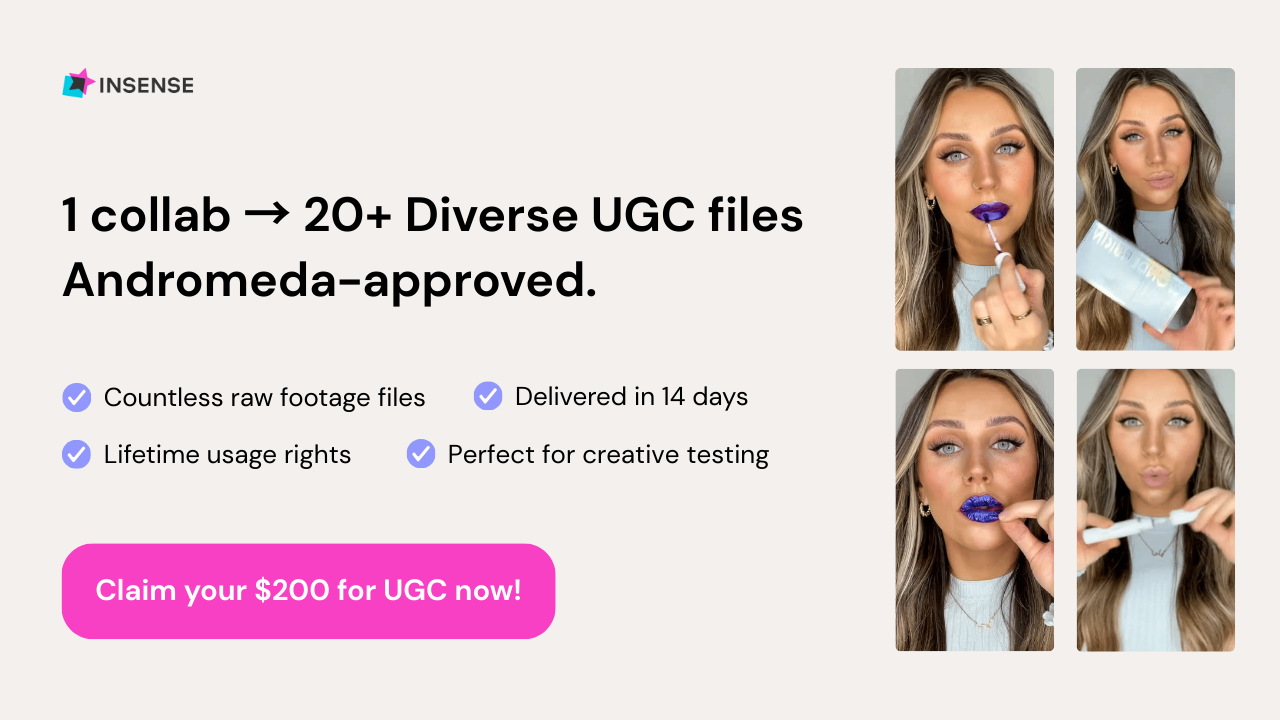
Insense makes UGC ads insanely cost-effective - and Andromeda-approved!
From one brief, get numerous raw footage clips to mix, match, and turn into multiple scroll-stopping creatives for your paid social ads.
Source 20+ pieces of raw content (per creator) with lifetime usage rights, all delivered in 14 days or less.
That’s how Beauty Pie, Bones Coffee, Wellhub, and PetLabCo scale UGC without killing team bandwidth.
Cost-effective UGC with lifetime usage rights? Yes please!!
Book a free strategy call to get $200 for your first campaign.
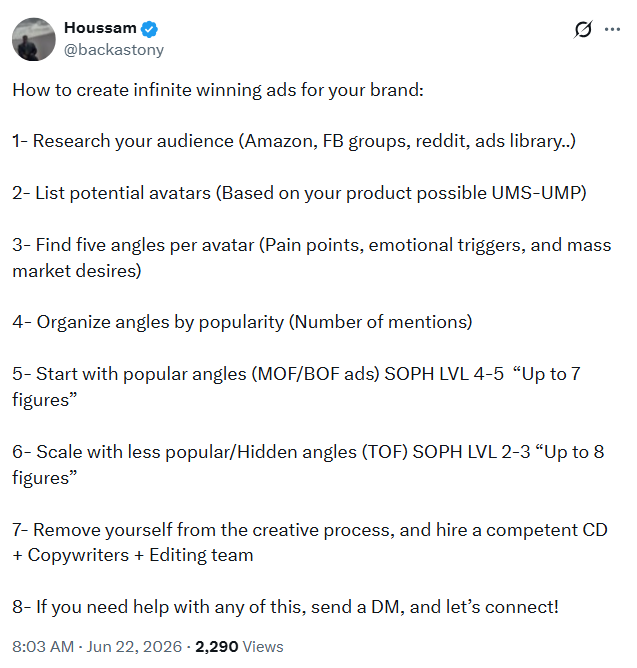
🐥 Tweet Worth Saving
Thanks for being part of the WAW team 💃 We’d love to know if this was helpful so we can continue playing it smart with the right strategies.