Views that turn into purchases
🥲Your focus on traffic is putting sales in the backseat, and more!

Hello! You've arrived at What Actually Works 🤓
We break down the real strategies, decisions, and plays that actually move the needle in your marketing, and here it for today.
👀Views that turn into purchases
Traffic looks impressive in reports. Revenue tells the truth.
If SEO does not shorten the path between search and checkout, it becomes content theater.
The shift is simple: stop optimizing for curiosity, start engineering for intent.
1. Build Transactional Category Depth
Instead of publishing endless informational blogs, expand your commercial surface area.
Create category pages targeting high-intent modifiers like:
- compression socks for nurses
- compression socks for travel
- compression socks for shin splints
- compression socks for pregnancy
These pages should:
- Address use-case-specific pain points.
- Include objection-handling FAQs.
- Cross-link to related intent clusters.
You are not building pages. You are building and buying entry points.
2. Insert Yourself Into Comparison Searches
Keywords like:
- bombas vs sockwell compression socks
- sockwell vs wellow compression socks
Signal evaluation mode. Structure these pages to:
- Compare both brands objectively.
- Break down feature differences clearly.
- Introduce your brand as a differentiated third option.
This reframes decision criteria instead of attacking competitors.
3. Capture “Alternative” Intent
Queries such as:
- bombas alternative
- sockwell alternative
- wellow alternative
Indicate friction or dissatisfaction. Your page should:
- Explain why shoppers look for alternatives.
- Highlight tradeoffs in the existing option.
- Map your product directly to that gap.
You are intercepting active demand, not creating it from scratch.
4. Reallocate Backlink Authority Strategically
Authority should reinforce revenue assets.
Smarter distribution:
- 50% to homepage for overall strength.
- 30% to transactional category pages.
- 20% to comparison and alternative content.
Link equity should amplify commercial intent, not just educational reach.
5. Use Data to Expand the Intent Map
This is where SEMrush One supports the strategy.
Use it to:
- Discover overlooked transactional modifiers.
- Identify competitor gaps in “vs” and “alternative” clusters.
- Track visibility across Google and AI search environments.
- Connect keyword visibility to revenue outcomes.
SEO now spans search engines and AI assistants. If comparison answers surface competitors but not your brand, that is lost leverage. You can try SEMrush One Free for 7 Days
SEO should not chase volume.
It should compress the distance between problem and purchase. When your structure aligns with buyer intent, traffic still grows. This time, it converts.
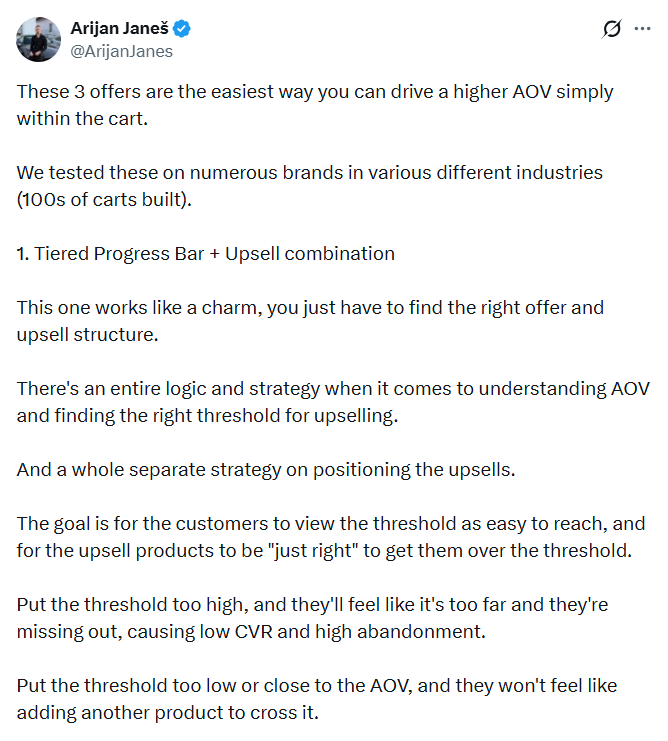
🐥 Tweet Worth Saving
Thanks for being part of the WAW team 💃 We’d love to know if this was helpful so we can continue playing it smart with the right strategies.