Tracking performance or just moves?
📊 You're optimizing the wrong end of the funnel, and more!

Hello! You've arrived at What Actually Works 🤓
We break down the real strategies, decisions, and plays that actually move the needle in your marketing, and here it for today.
📊 You're Optimizing the Wrong End of the Funnel
Most performance reviews are post-mortems dressed up as strategy sessions. The numbers tell you what already happened. The decisions get made like they're telling you what's next.
That's the problem. You were reading yesterday's newspaper and calling it a forecast.
The metric that feels like a signal is usually just a receipt
Inquiries. Form fills. Add-to-carts. These are confirmation metrics. They tell you something worked, for someone who was already convinced enough to act. By the time they land in your dashboard, the decision was made days or weeks ago.
That's a lagging indicator. Useful for accounting. Dangerous as a steering wheel.
The problem isn't tracking these metrics. It's optimizing for them. A/B testing checkout flows while top-of-funnel awareness is collapsing. Obsessing over email open rates while search intent is shifting. The bottom of the funnel looks fine right up until it doesn't. By then the problem is three months old.
What leading indicators actually look like
Branded search volume. When it flatlines while you're scaling paid, you're renting customers instead of building an audience.
Category search trends. If the category is growing and your traffic isn't, someone else is capturing demand you should be getting.
New visitor rate. A declining new visitor rate means the acquisition engine is slowing. You won't feel it this month. You'll feel it in five.
Time-to-first-engagement. Shortening that gap is a leading indicator of future conversion. Lengthening it means you're delivering the right people to the wrong experience.
The diagnostic question worth asking
When performance dips, the default is to look at what changed at the bottom. The better question is what the top of the funnel looked like 60 days ago. Because that's what's converting, or not converting, today.
If you can't answer that cleanly, you don't have a reporting problem. You have a measurement architecture problem.
This is exactly what Motion's Creative Strategy Bootcamp trains teams on, reading the signals that predict performance dips before they hit revenue, not after. Registration closes March 17th. Reserve your free spot now.
How to audit your top of funnel
Pull traffic sources from 90 days ago and compare quality, not volume. Map what new users do in their first session. Talk to recent customers and ask where they first heard about you. The channel your attribution model ignores is often the one that planted the original intent.
A full pipeline today is a trailing indicator. What you're doing to fill it three months from now is the only number worth optimizing.
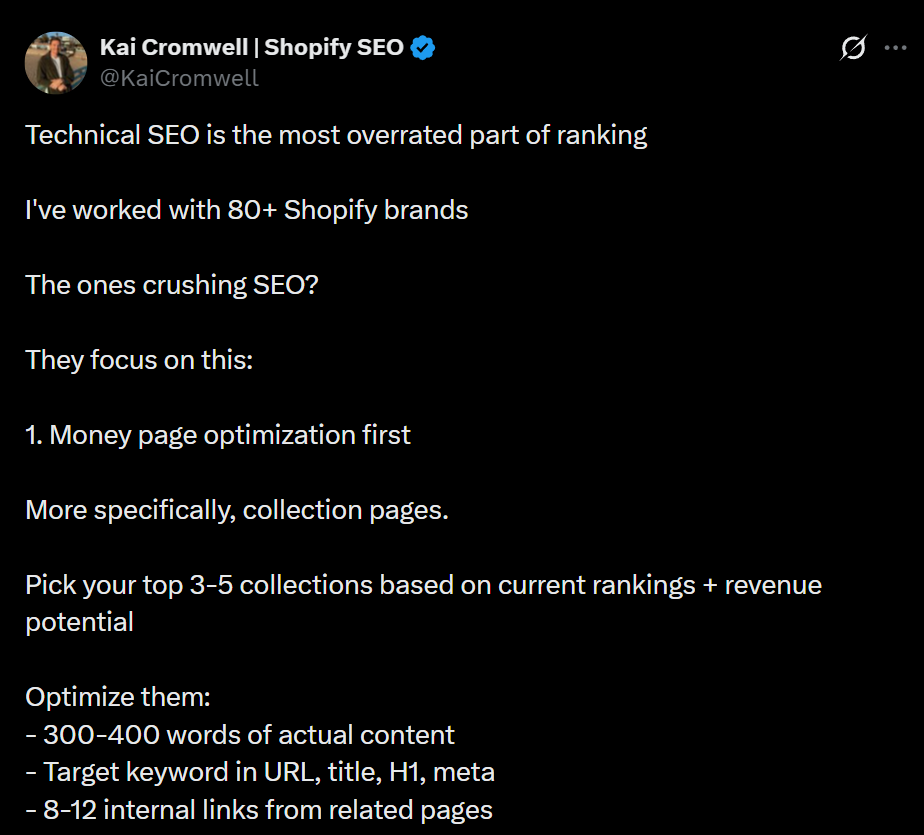
🐥 Tweet Worth Saving
Thanks for being part of the WAW team 💃 We’d love to know if this was helpful so we can continue playing it smart with the right strategies.