One metric can't prove ROI
🧱 High-performing programs run a four-layer Signal Stack, not one flat metric. EMV alone was never built to answer a revenue question, and more!

Hello! You've arrived at What Actually Works 🤓
We break down the real strategies, decisions, and plays that actually move the needle in your marketing, and here it for today.
🧱 One metric can't prove influencer ROI. here's the stack that actually can.
High-performing creator programs don't defend their ROI with a single metric. They build what's increasingly called a Signal Stack, layered measurement running from broad brand-level signal down to hard, trackable revenue, so a leadership conversation about influencer performance can pull whatever layer the question actually requires instead of forcing one number to answer everything.
The mistake most programs make isn't picking the wrong metric. It's picking exactly one and asking it to do a job no single number can do.
Earned media value is useful for contextualizing the relative reach and quality of organic coverage, and it's a bad answer to "what did this generate in revenue."
Engagement is a real signal of content resonance, and it says nothing on its own about purchase intent. A program defending its entire budget with one of these numbers is defending itself with a tool built for a narrower job than the one it's being asked to do.
Map which layer of the stack actually answers which question
Different stakeholders ask different questions, and a program with only one metric available answers every question with the same number regardless of whether it's actually the right one.
Build out the layers deliberately: reach and EMV for brand-level context, engagement for content resonance, promo codes and tagged URLs for the cleanest direct conversion signal, and incrementality testing where scale allows for the most rigorous read on causal impact. Know in advance which layer you'd pull for a budget conversation versus a creative-strategy one.
Stop reporting EMV as if it proves revenue impact
Earned media value gets criticized for good reason when used as a program's primary success metric, since it was built to contextualize reach and exposure, not substitute for an actual revenue number.
Keep EMV in the reporting mix for what it's good at, benchmarking creator selection and investment tiers, and stop leaning on it exactly where a harder, conversion-level number is what's actually being asked for.
Build the conversion layer before you need to defend the budget with it
The cleanest direct signal in the stack, promo codes and tagged URLs tied to specific creator activity, is also the layer most programs haven't fully built out, leaving them without a hard number exactly when the CFO conversation demands one.
The specific frameworks for building this, with real campaign examples from teams already running it, are what Return on Influence Festival '26, powered by Modash, covers October 21, with Leah Walker from Adobe and Tyler Vaught from Edelman.
You can secure your free spot here, and get the recordings within 24 hours if you can't attend live.
A single metric was never going to survive every question a leadership team asks about influencer spend. A stack built for exactly that range of questions can.
Partnership with Billo
You Need To Check This Before You Scale Another Q4 Ad
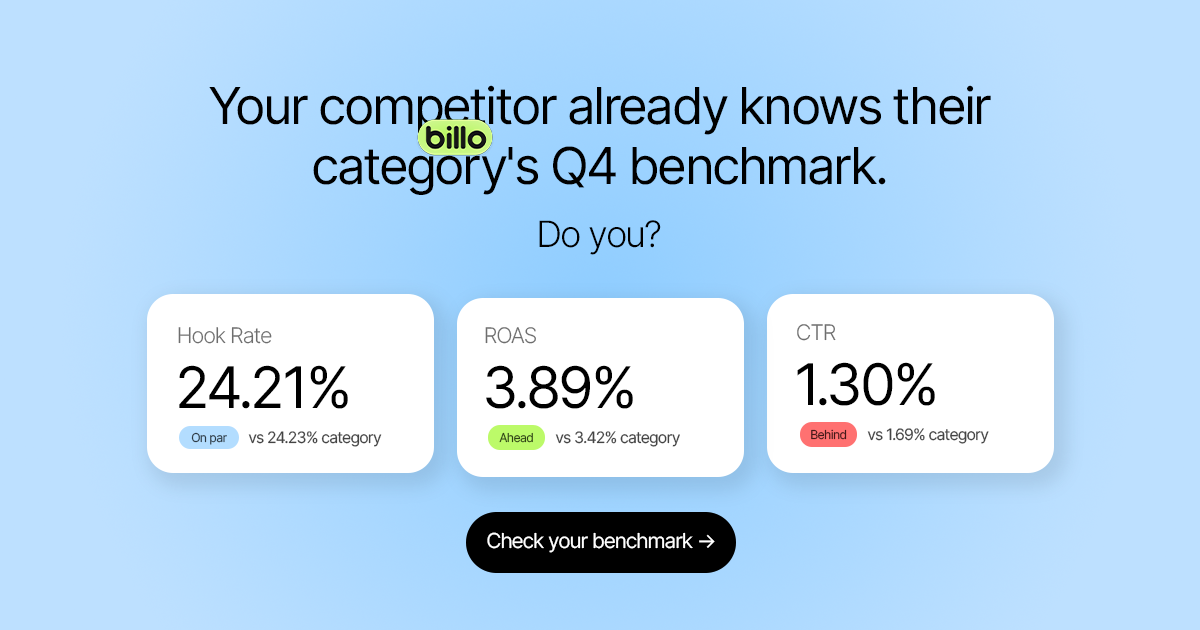
Your best-performing ad may be underperforming against the ads competing for your customer.
Q4 benchmarks change by category and month. Scale against the wrong one, and every extra dollar can widen your performance gap.
Billo analyzed 80,069 sales-objective Meta video ads across 14 categories and turned the findings into a free Q4 Performance Calculator.
- See how your results compare with the right category benchmark.
- Find the month when your category offers the biggest opportunity.
- Identify the performance gap to fix before increasing spend.
In under a minute, you get a sharper target and a clear priority for your next creative batch. That means faster decisions and more confidence behind the ads you choose to scale during the most competitive quarter.
Run the calculation before your next Q4 budget increase locks in an avoidable disadvantage.
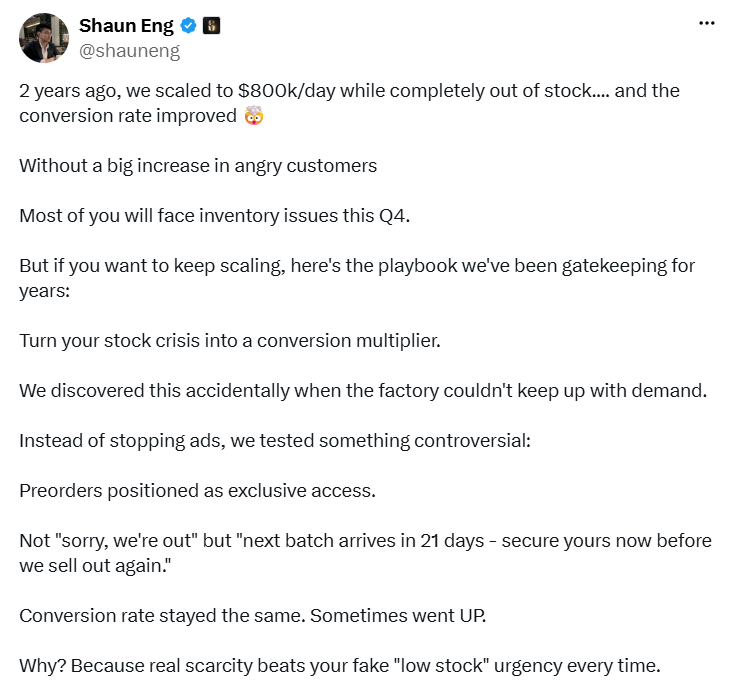
🐥 Tweet Worth Saving
Thanks for being part of the WAW team 💃 We’d love to know if this was helpful so we can continue playing it smart with the right strategies.