Interactive upsells that you need
🚀Test them today and you will see the power of a true upsell, and more!

Hello! You've arrived at What Actually Works 🤓
We break down the real strategies, decisions, and plays that actually move the needle in your marketing, and here it for today.
🚀The Interactive Email Upsell Nobody's Client-Testing Properly
Agencies pitch AMP-powered interactive email as a premium upsell: carousels, in-inbox surveys, one-click reorder buttons, all without the customer ever leaving their inbox. It demos brilliantly on a Gmail account in the sales meeting.
What rarely happens next is a proper audit of what everyone outside Gmail and Yahoo actually sees, since AMP simply doesn't render anywhere else.
Pull list composition by mail client before promising the interactivity to a client. Apple Mail and Outlook, which together often make up the majority of a DTC brand's list, fall back to a static version automatically, and for many lists the AMP-eligible share is well under half. That number sets the real ceiling on the pitch before a single carousel gets built.
Design the static fallback as its own deliberate version, not an afterthought. Flip the usual build order. Design the static experience first as the primary version most of the list will actually see, then layer AMP interactivity on top only where it doesn't change the core message or CTA. A fallback treated as the real email, not a degraded backup, holds most of the conversion intent even without any interactivity at all.
Test a purpose-built static template against the auto-generated fallback specifically. Most AMP tools generate a fallback automatically with no design input, and that default is rarely optimized for anything.
Building a genuinely separate, hand-designed static version for Apple Mail and Outlook recipients, tested head-to-head against the auto-generated one, routinely outperforms it, since one was actually designed and the other was an afterthought nobody reviewed.
Pulling client-by-client list composition, redesigning the fallback as a first-class deliverable, and running a proper split test between the auto-generated version and a hand-built one is real production work across a client roster, not a quick check.
Checking rendering by mail client itself sits outside what Omnisend's AI reads.
Once the hand-built fallback is live, connect Omnisend to Claude or ChatGPT and ask it to compare weekly performance between the new version and the old one, confirming the redesign actually moved the numbers instead of just looking better in the pitch. You can get started with ready-made prompts here.
The upsell isn't the problem. Selling it without ever showing the client the version most of their customers actually receive is.
Partnership with Stack Influence
The ad channel where the creative buys your product first
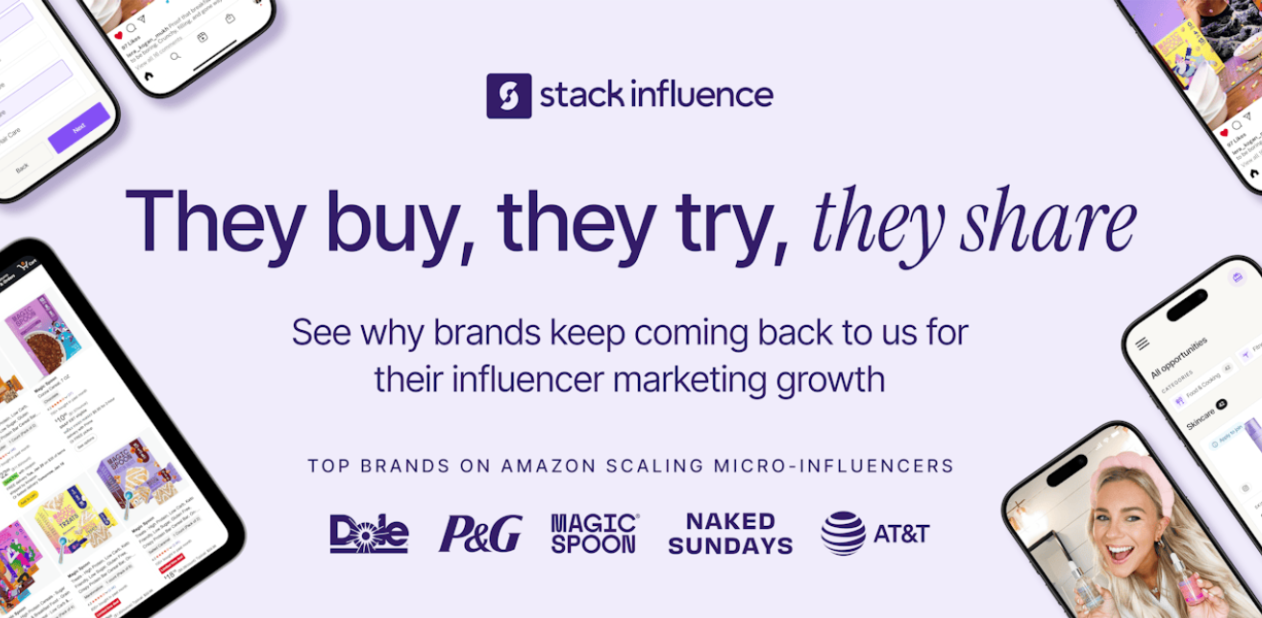
Most UGC is actors holding products they were shipped for free. The audience can tell.
Stack Influence runs it differently: vetted micro-influencers purchase your product on Amazon, use it, then create the content.
The result is creative with receipts - and a side effect most channels cannot offer: those real purchases drive sales velocity that lifts your organic Amazon rank while the content earns external traffic.
You get full-rights image and video UGC to repurpose across paid social, paying per creator instead of per impression.
One brand activated 187 creators: BSR up 11X, recurring sales up 8X, $342K YoY. Another went from zero to $150K a year plus an Amazon's Choice badge on 291 collaborations. Magic Spoon, Unilever, and Thrasio all run this engine.
Sign up in the next two weeks and take 10% off your first campaign.
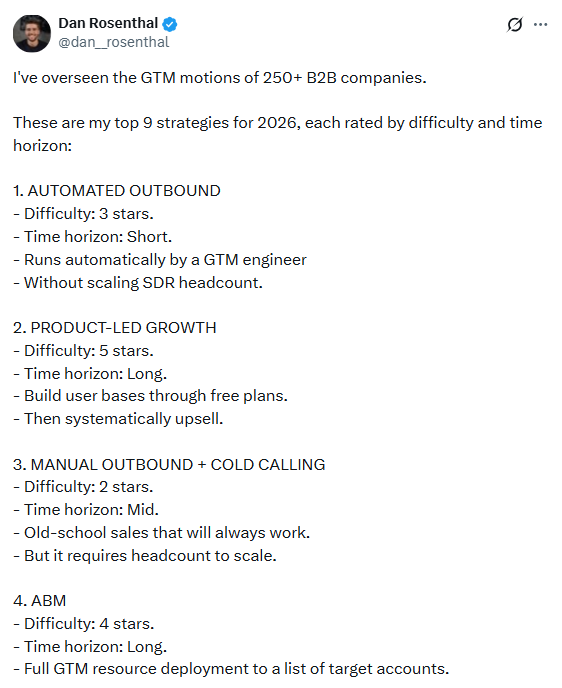
🐥 Tweet Worth Saving
Thanks for being part of the WAW team 💃 We’d love to know if this was helpful so we can continue playing it smart with the right strategies.