Google Is Looking For Something Specific
🚀The content that survives every Google update shares one thing. Most people skip it, and more!

Hello! You've arrived at What Actually Works 🤓
We break down the real strategies, decisions, and plays that actually move the needle in your marketing, and here it for today.
🚀 The content that survives every Google update shares one thing. Most people skip it.
Look at what's still ranking after every major core update over the last three years. The pattern is consistent. Not the longest content. Not the most optimized. Content containing at least one signal Google cannot find replicated elsewhere.
One signal. That's the structural difference between content that holds and content that collapses the moment Google recalibrates.
Here's what those signals look like and how to build them in before writing starts.
The four signals Google cannot replicate
Generic AI prompts cannot fabricate any of these without genuine input behind them:
- Original data: A survey of your own audience, even 50 responses, produces a data point no competitor can cite without attributing it to you. One proprietary statistic changes the entire differentiation profile of a page.
- Operational specificity: First-person examples with real numbers from your own business or clients. "We tested this across 12 accounts and saw X" is unreplicable. "Research shows X" is not. The specificity is the signal.
- Named methodology: A proprietary framework only your brand uses. Competitors can describe similar concepts but cannot claim your methodology without attribution. Name it, define it, own it consistently.
- Interactive output: A calculator, diagnostic tool, or configurator producing personalized results. AI Overviews summarize static content. They cannot replicate a tool requiring user input to produce a useful output.
Lock the signal into the brief before writing starts
The brands consistently surviving core updates aren't adding differentiation after the draft exists. They're making it a non-negotiable brief requirement before a single word gets written.
Every content brief gets one mandatory field: what is the unreplicable signal in this piece? If the answer is "we'll add some stats" or "the writer has experience in this area," the brief goes back. Those aren't signals. They're intentions.
The signal has to be specific, ownable, and present in the content before production starts, not retrofitted in review.
Run your highest-traffic pages through this same test right now. Identify every page where the honest answer to "what's the unreplicable signal here" is nothing. Those pages are your next update's casualties, whether they've dropped yet or not.
Track whether adding unreplicable signals is moving AI visibility alongside organic performance. SEMrush's AI Visibility Toolkit shows visibility across ChatGPT and Google AI Mode so you can confirm differentiated content is gaining retrieval on both surfaces simultaneously. You can try it free for 7 days.
Measure differentiation density, not production volume
Volume was the metric that built the content strategies now collapsing. The metric that builds content strategies that survive is differentiation density: what percentage of your published content contains at least one signal Google cannot find replicated elsewhere.
Track it quarterly. Set a rising minimum threshold. Make it the production KPI that replaces word count and publish frequency.
Content that earns visibility has always been the goal. Now it's the only option.
Partnership with Dreem
Fashion AI that turns one product image into model shots, product shots, and video.
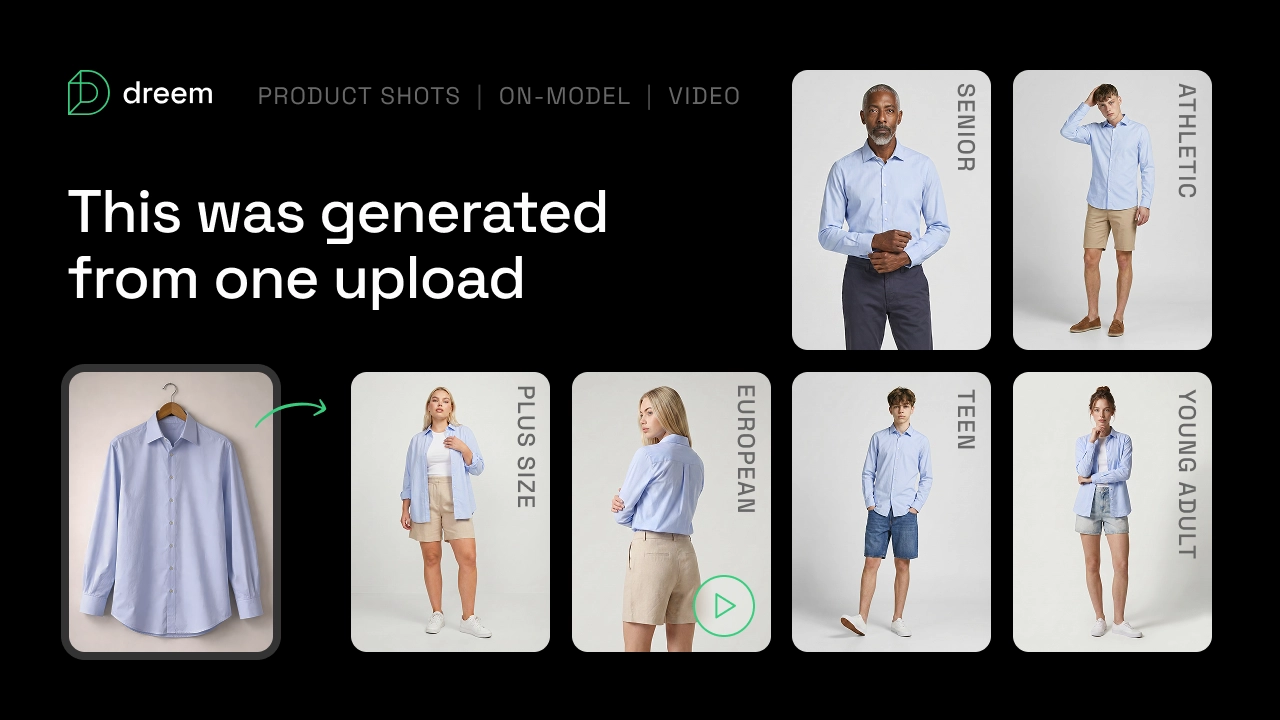
Buyers don't buy clothes. They buy the version of themselves wearing them. When the model on the page doesn't look like the person browsing, the mental picture breaks; they leave. Or they buy, realize it doesn't match, and return it.
Until now, showing your products on diverse models cost more than the conversion lift could justify. So every visitor saw the same model. One body type, one age, one skin tone. One chance to connect.
Dreem changes that.
Upload one product image and get:
- Model shots, product shots, and video from one upload
- 400+ virtual talents across body type, age, and skin tone (or create your own)
- ~$2 per image, matched to each segment
- Works from a phone photo
The person browsing sees themselves in your product. The mental picture holds. They buy. They keep it.
Our readers get 600 free credits before July 30.
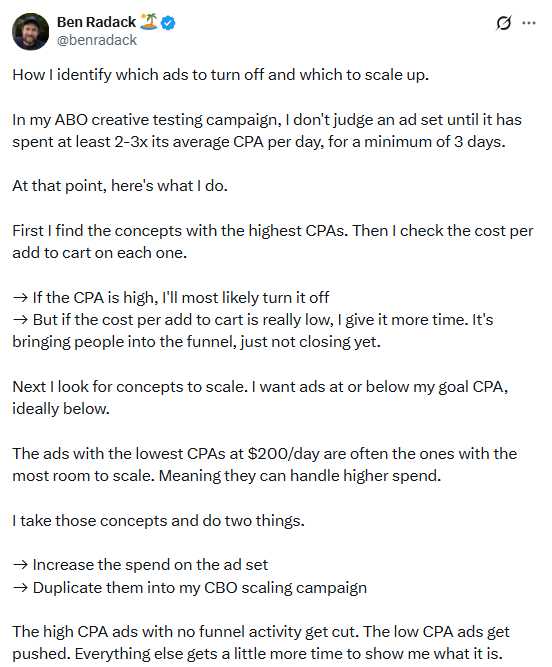
🐥 Tweet Worth Saving
Thanks for being part of the WAW team 💃 We’d love to know if this was helpful so we can continue playing it smart with the right strategies.