Amazon quietly disqualified some commissions
💰 An april rule change disqualifies commissions on boosted-link referrals and mismatched asin variants. most programs haven't checked, and more!

Hello! You've arrived at What Actually Works 🤓
We break down the real strategies, decisions, and plays that actually move the needle in your marketing, and here it for today.
💰 Amazon quietly rewrote the rule that disqualifies your affiliate commissions
Amazon's April 14 Associates agreement update tightened three things at once, and the one most affiliate programs haven't fully absorbed is the broadest: any customer referred through a paid or boosted advertisement linking to Amazon is now a disqualified purchase, regardless of what keywords or targeting were used.
The update also narrowed onsite commission to matching ASIN variants specifically, meaning a referral landing on the wrong color, size, or configuration no longer earns the commission it used to.
Both changes share a mechanism worth understanding, since it's easy to read them as two separate footnotes when they're actually the same tightening applied in two directions. Amazon is narrowing what counts as a legitimate, commission-worthy referral, closing gaps that used to let broader traffic patterns and near-matches through.
A program built on the old, looser definition is now generating disqualified commissions it doesn't yet know are disqualified, because nothing about the referral link itself changed. Only the rule evaluating it did.
Check whether any of your affiliates are boosting or paying to promote their own links
The disqualification applies specifically to purchases referred through paid or boosted ads, meaning an affiliate who boosts a post containing their Amazon link, something that used to work fine, is now generating commissions Amazon won't pay out.
Ask your highest-volume affiliates directly whether any of their traffic comes through paid promotion on their end. Where it does, that revenue line in your reporting may already be counting commissions that will get clawed back or never paid.
Audit whether your affiliate content actually links to the exact ASIN variant being promoted
The ASIN-matching requirement means a creator's video showing one color or size, linking to a generic product page rather than that specific variant, no longer earns commission on a sale of a different variant, even if it's clearly the same product line.
Pull a sample of your affiliate content and confirm the links point to the specific variant shown, not a general product page. A mismatch here is an easy fix once identified and a silent revenue leak until someone checks.
Reconcile your reported affiliate revenue against what's actually still commission-eligible
The gap between what your dashboard shows as affiliate-driven revenue and what's still qualifying under the new rules won't show up on its own. It has to be checked deliberately, since disqualification happens on Amazon's side without flagging back to the brand.
Seeing which of your partners are driving traffic that's actually still commission-eligible under current rules, rather than reporting a number that assumes the old rules still apply, is exactly the kind of visibility Levanta's platform is built to surface. You can take the self-diagnostic to see where your program's actual gaps sit.
A rule change that happened in April doesn't announce itself in September. It just quietly changes what your commission report has actually been measuring since.
Partnership with Omnisend
They Switched Platforms Before BFCM and Made $113K
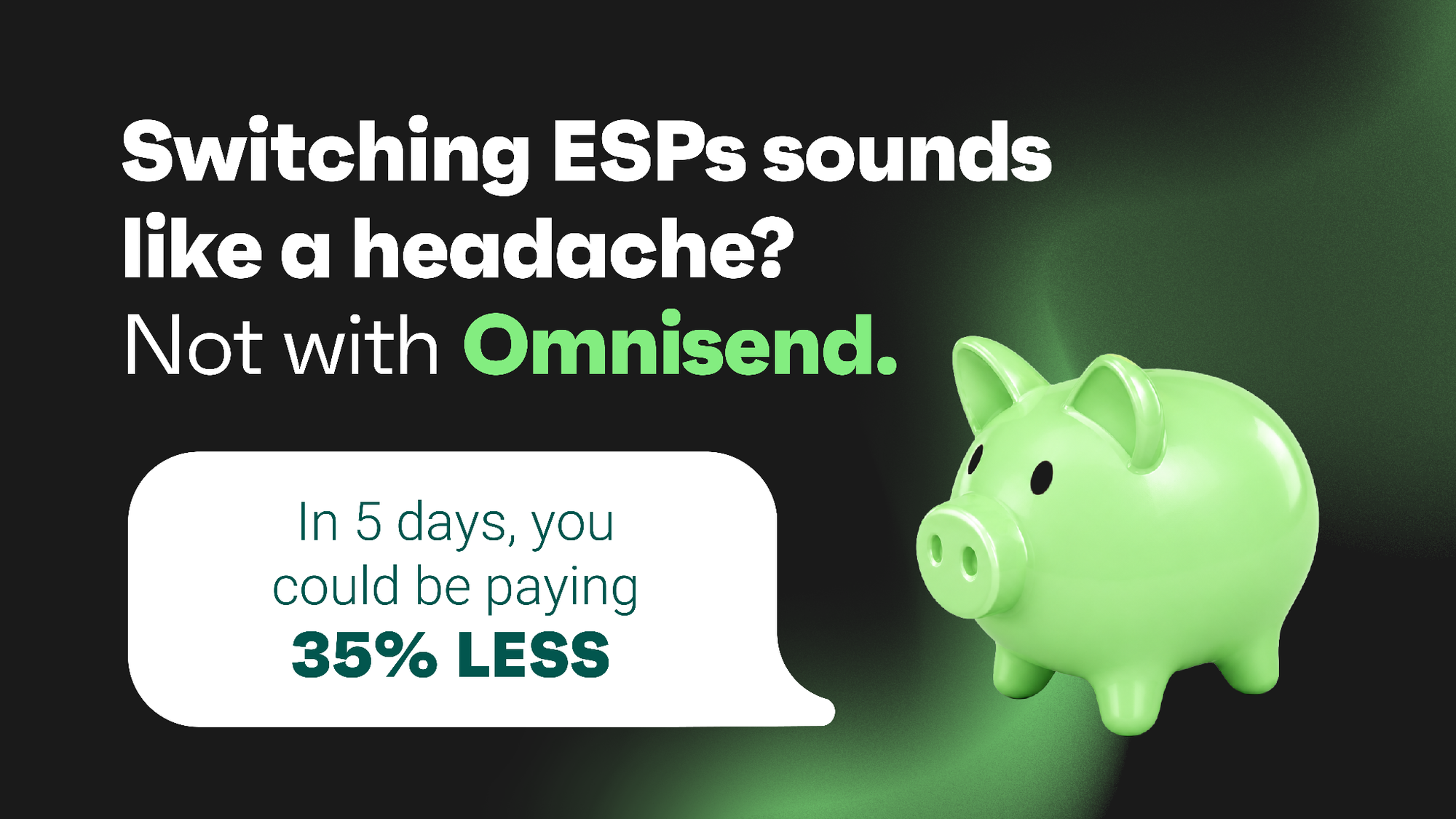
For ecommerce teams watching software costs climb, switching sounds sensible until migration enters the conversation. Nobody wants the move disrupting revenue.
Ecom2Win faced that decision weeks before BFCM, when nearly one in six brands earns at least 30% of its annual orders. The agency moved its client to Omnisend anyway.
The outcome answered the biggest concerns:
- Migration was completed in 24 hours, with every automation rebuilt and checked within four days.
- Email generated $113,000 and accounted for 53% of the store’s total revenue during BFCM.
- Omnisend plans can cost up to 35% less than Klaviyo, helping brands keep more of the revenue they generate.
More than 150,000 ecommerce brands use Omnisend, with customers generating an average of $79 for every $1 spent. Migration is free and can be completed within five business days.
Jocelyn breaks down how they moved without sacrificing peak-season revenue and why Omnisend was worth choosing before BFCM.
🐥 Tweet Worth Saving
🥳 Events
🔥 How Stripe and OpenAI Built Marketing Teams That Earned More Resources
Tomorrow | Virtual Event
Krithika Shankarraman, the first marketing hire at Stripe and OpenAI, joins AirOps CMO Christy Roach to unpack findings from 300+ marketing leaders. Learn how high-growth teams make stronger budget asks, protect the work that moves pipeline, and design leaner teams with clearer ownership and more leverage.
Can't attend the session live? Register anyway, and you’ll get the recording in 24 hours.
Thanks for being part of the WAW team 💃 We’d love to know if this was helpful so we can continue playing it smart with the right strategies.