Trust slips quietly, revenue follows later
👀High-intent pages aren’t persuasion assets. They’re verification surfaces, and more!

Hello! You've arrived at What Actually Works 🤓
We break down the real strategies, decisions, and plays that actually move the needle in your marketing, and here it for today.
👀 When trust slips quietly, revenue follows later
Revenue rarely drops because something “breaks.” It slows because confidence thins out before anyone notices. Paid traffic doesn’t scream danger. Yet buyers start pausing longer at the exact moment they should be committing.
That pause is the signal.
High-intent pages aren’t persuasion assets. They’re verification surfaces. Pricing pages, comparisons, and core solution pages exist to answer one question fast: “Does this still feel true right now?” When screenshots lag behind the product, claims feel timeless but unspecific, or examples reflect how things worked months ago, belief weakens. The product hasn’t changed. Perception has.
What makes this dangerous is how quietly it compounds.
- Conversion rates soften just enough to hurt efficiency
- Sales cycles stretch without a clear cause
- Prospects validate elsewhere earlier than before
None of this looks like a funnel failure. It’s a confidence leak.
The cost shows up downstream. Buyers still arrive, but they hedge. They check competitors. They ask AI tools for alternatives. They compare before deciding.
Your pages may still rank, but they stop anchoring the decision. By the time paid acquisition feels harder to scale, the behavior shift is already baked in.
This is where visibility tools matter, not for traffic reporting but for belief tracking. Platforms like Semrush One are useful here because they let you see demand movement and competitive presence together,
especially on comparison and alternative queries, instead of guessing why confidence is eroding while rankings stay flat. You can try it free for 7 days.
At that stage, refreshing pages feels risky because it is. You’re not optimizing copy. You’re correcting accumulated trust debt.
The fix isn’t creative polish. It’s operational discipline.
Revenue-critical pages need ownership, not occasional updates. Proof has a shelf life. That means:
- Screenshots that match the live product
- Claims that are dated, sourced, or clearly current
- Examples that reflect how the product performs today
This work doesn’t spike metrics overnight, but it stabilizes them over time.
There’s a real tradeoff worth naming. Tightening proof and toning down overstatement can reduce short-term urgency wins. Those wins are fragile. Pages that feel credible convert more consistently, even if they feel less exciting on first pass.
If you want a practical place to start, don’t audit the entire site. Start where commitment happens: Pricing, Comparisons, Alternatives, Core solution pages
When belief erodes there, adding more traffic only accelerates the damage.
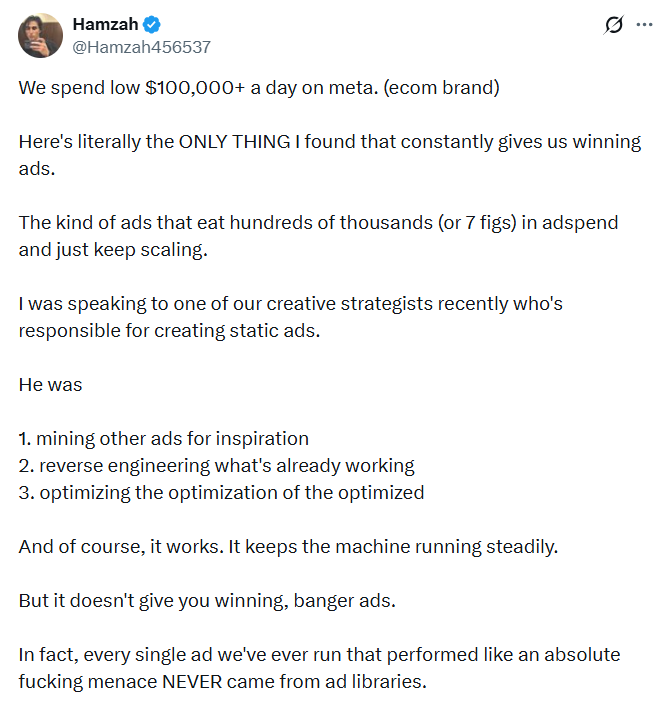
🐥 Tweet Worth Saving
Thanks for being part of the WAW team 💃 We’d love to know if this was helpful so we can continue playing it smart with the right strategies.