Stop stretching your welcome sequence
🛑Spreading the welcome sequence over a week doesn’t just delay conversion. it delays the data.

Hello! You've arrived at What Actually Works 🤓
We break down the real strategies, decisions, and plays that actually move the needle in your marketing, and here it for today.
🛑Stop stretching your welcome sequence
Most welcome sequences are designed around pacing. One email today, another in a few days, maybe an SMS at the end of the week. It feels respectful, but analysis across 40+ accounts and more than 4,000 emails points in a different direction. Brands sending two welcome emails and one SMS on day one consistently outperformed slower sequences.
That makes sense because day one is the highest-intent moment a subscriber is likely to have. Stretching communication across a week assumes interest stays constant, when it usually fades with every passing day.
The bigger advantage isn’t just more conversions
Sending everything on day one changes something else that’s easy to miss.
It compresses the feedback loop.
A week-long sequence tells you who’s engaged eventually. A day-one sequence tells you within 24 to 48 hours, giving you a much earlier read on which subscribers are genuinely interested and which ones never engaged in the first place.
The real asset isn’t the extra email.
It’s the faster signal.
Most suppression logic is still running on the old timeline
That’s where many welcome programs lose the benefit.
Even after identifying disengaged subscribers almost immediately, most brands continue treating them like active subscribers for another 60 to 90 days before moving them into a lower-frequency or sunset flow.
Those subscribers receive campaign after campaign despite showing no interest from the very beginning, quietly affecting engagement and deliverability the entire time.
Instead, let the welcome sequence become the first qualification stage. If someone ignores every touchpoint during the highest-intent window they’ll ever have, that tells you something worth acting on immediately, not months later.
Turn early engagement into early segmentation
Building that workflow manually means reviewing welcome-series engagement every day, identifying subscribers with zero activity and moving them into a separate cadence before the next major campaigns begin.
Omnisend AI can automate that process by identifying subscribers who show no engagement within the first 48 hours, creating the segment automatically instead of waiting for a traditional sunset workflow.
Brands using Omnisend generate an average of $79 for every $1 spent, migration is free in as little as five days, and pricing is up to 35% lower than Klaviyo’s. Get started with ready-made prompts. Read the guide
The biggest opportunity in a faster welcome sequence isn’t just converting more subscribers.
It’s discovering much sooner which subscribers deserve your attention and which ones shouldn’t keep receiving the same volume of emails.
Partnership with Levanta
The biggest holiday mistake brands make? Trying to build a creator program in November.
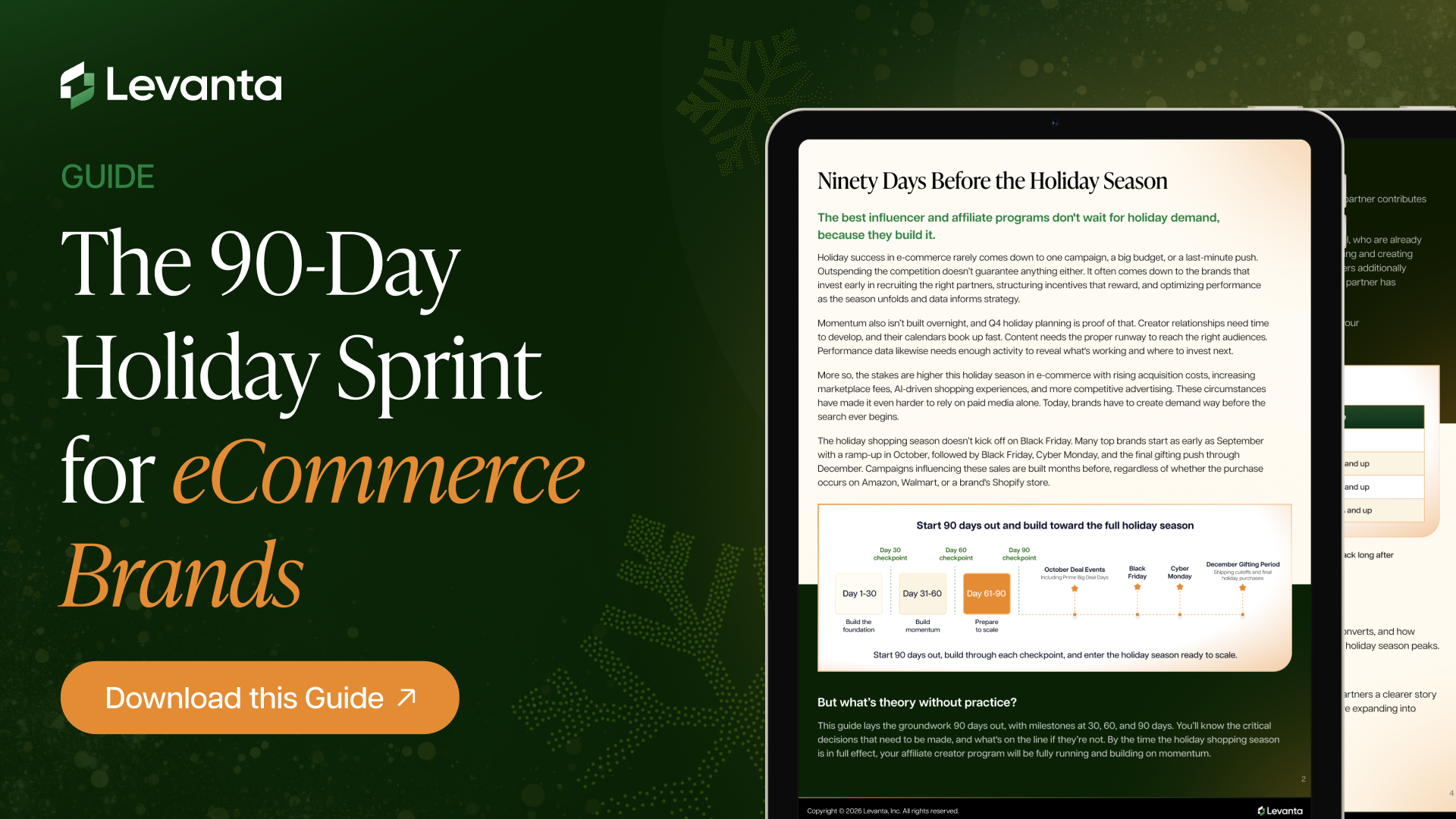
The strongest holiday programs are built over the 90 days leading up to peak shopping season. That is when brands recruit the right partners, test incentives, and build enough momentum to scale when demand arrives.
Trusted by 3,000+ eCommerce brands, Levanta created The 90-Day Holiday Sprint, a free step-by-step playbook to:
- Recruit and activate creators before their holiday calendars fill
- Build competitive commission structures without sacrificing margin
- Use Day 30, 60, and 90 checkpoints to create a program ready to scale for BFCM
Don’t wait until November to build the creator program you will wish you already had. Your 90-day countdown starts now.
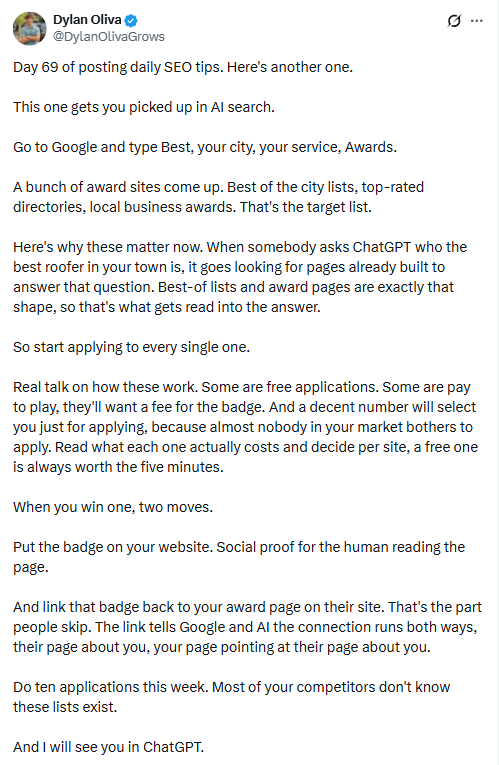
🐥 Tweet Worth Saving
Thanks for being part of the WAW team 💃 We’d love to know if this was helpful so we can continue playing it smart with the right strategies.