Is your page content updated?
📅 The 90-day citation decay curve, and why most brand content is already invisible in AI engines, and more!

Hello! You've arrived at What Actually Works 🤓
We break down the real strategies, decisions, and plays that actually move the needle in your marketing, and here it for today.
📅 Is your page content updated?
AI engines cite content based on recency signals more aggressively than search engines do. Pages that aren't refreshed lose AI citations 3x faster than refreshed ones, which means a content archive built on "publish and move on" is bleeding visibility across buyer queries happening on Perplexity, ChatGPT, and AI-native search.
The team doesn't notice because no dashboard shows AI citation share, but the competitors getting cited are eating the consideration set the brand thought it owned.
Map Your Content Archive Against The Decay Curve
Pull your top 50 pages by historical traffic and tag each by the last meaningful update date.
A meaningful update is not a date change in the byline. It's a signal-level revision: new data, new examples, new structure, new section, new comparison.
Most brands find 60-70% of their archive hasn't been meaningfully updated in 6+ months, which means most of their archive is already invisible in AI engines, whether or not it still ranks in search.
Build A Refresh Cadence That Operates On Signal Changes, Not Date Stamps
A quarterly refresh discipline outperforms an annual one by 3x, but only if the refresh is signal-level. Date-only updates don't re-trigger citation.
The changes that do: updated statistics, new section addressing a recent development, restructured headings to match current query language, fresh comparison content, updated screenshots.
The refresh queue should be prioritised by historical value, not by age. The pages worth refreshing first are the ones that historically earned citations or rankings, because they still have the structural signals that make them citable.
Treat Refresh As A Distinct Workstream From New Publishing
Most content teams have a publishing calendar but no refresh calendar. Refresh happens when someone remembers, which is rarely.
The fix is treating refresh as a separate workstream with its own cadence, owner, and KPIs: percentage of high-value archive refreshed quarterly, citation recovery rate on refreshed pages, and net citation share across the archive.
AirOps analysed 15M+ AI queries and built the exact playbook Ramp, Carta, and Webflow are running right now, including structural patterns, refresh cadences, off-site signals, and a 90-day action plan. You can get the playbook here.
The brands compounding AI visibility aren't publishing more. They're refreshing the right pages on the right cadence, while the rest of the category lets their archive decay.
Partnership with Insense
Your creator program is only as good as the system behind it
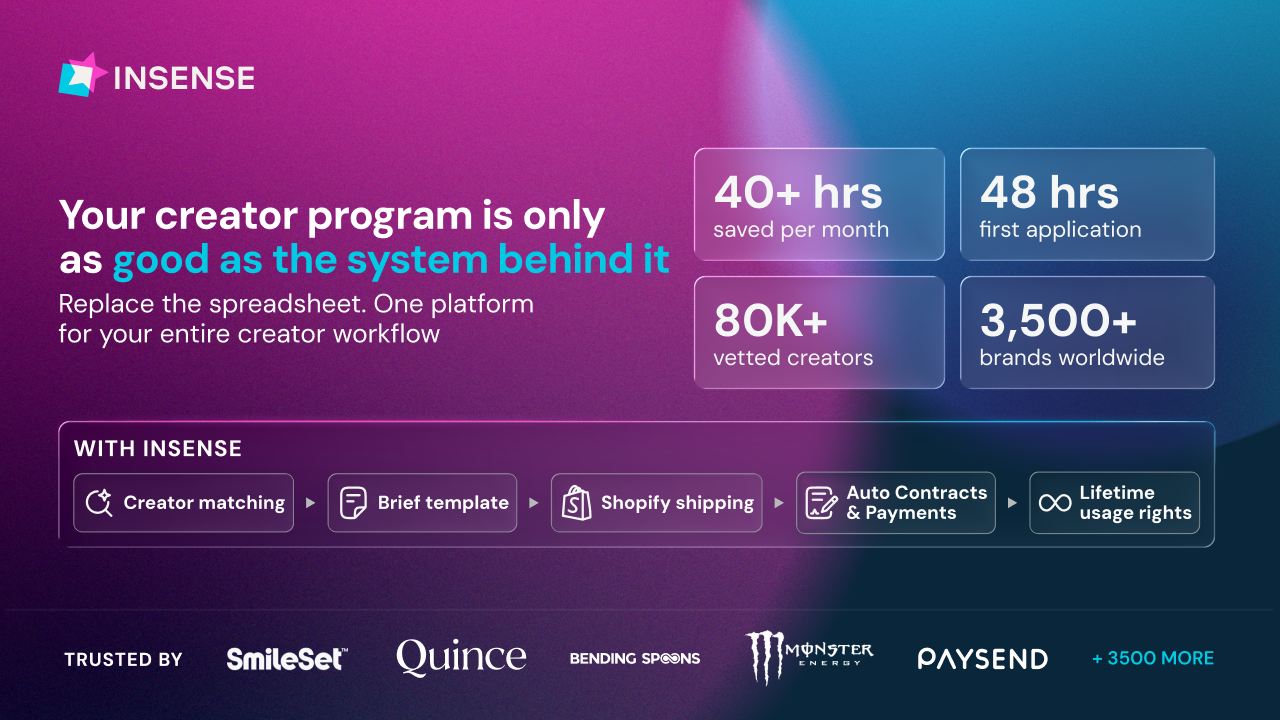
If your team is managing UGC in spreadsheets, tracking addresses, chasing creators over DM, and manually logging payments - you're not running a program. You're running a headache.
Insense is the self-serve platform built to replace that stack.
One place to receive creator matches from 80,000+ vetted profiles, brief templates, ship product via Shopify, automated contracts and payments, and own full lifetime content usage rights.
Trusted by Quince, Monster Energy, Paysend, and 3,500+ brands worldwide.
Brands using Insense save 40+ hours a month and get first creator applications within 48 hours.
Book a free strategy call by May 22 and get a $200 platform credit towards your first campaign.
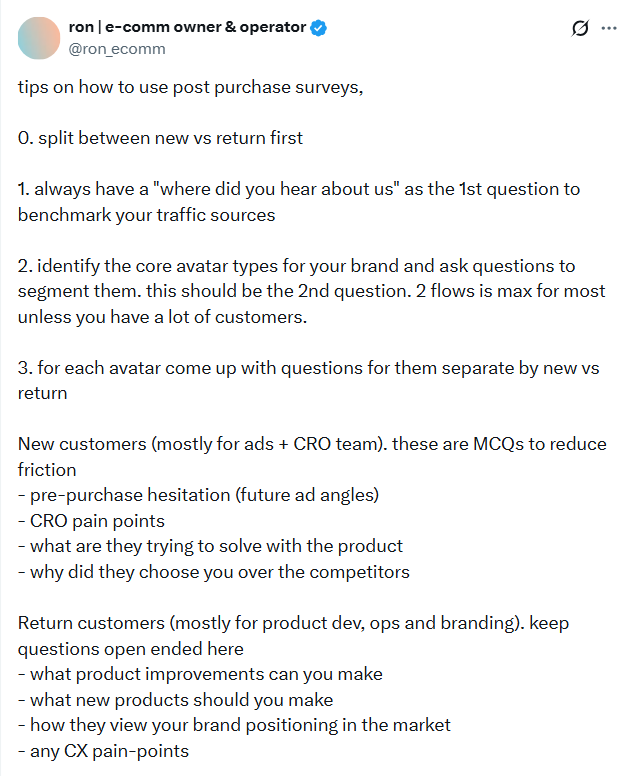
🐥 Tweet Worth Saving
Thanks for being part of the WAW team 💃 We’d love to know if this was helpful so we can continue playing it smart with the right strategies.