CTV inventory isn't infinite
🎟️ Premium CTV windows actually sell out. Buyers treating it like elastic display inventory get burned when launch week arrives, and more!

Hello! You've arrived at What Actually Works 🤓
We break down the real strategies, decisions, and plays that actually move the needle in your marketing, and here it for today.
🎟️ CTV inventory isn't elastic. Premium windows actually sell out.
CTV media buyers who treat streaming inventory like programmatic display, always available, scalable on demand, priced consistently, run into a recurring failure: premium inventory around major sports moments and top-tier content genuinely sells out, and a buyer who assumed it would always be there discovers the gap only when a campaign is already scheduled to launch into it.
Unlike a display auction that absorbs more bidders indefinitely, CTV inventory in the moments advertisers want most is finite in a way display and paid social mostly aren't.
The confusion is understandable, since CTV gets bought through platforms that look and feel like programmatic interfaces, creating an implicit assumption that supply behaves the same way too. It doesn't.
A brand planning a launch around a marquee sports window without confirming inventory availability well in advance is planning against a supply model that doesn't work like the interface suggests.
Confirm premium inventory availability before building a campaign timeline around it
A media plan built around a specific high-value window, a championship game, a major seasonal premiere, needs supply confirmation before the creative and budget get finalized, not after.
Check inventory availability for your target windows as early in the planning cycle as your buying process allows, and treat a "yes, it's available" as time-sensitive rather than a guarantee that holds until launch. Premium CTV inventory in real demand moments moves fast once other buyers start locking it in too.
Build a fallback plan for the windows that do sell out
Assuming your first-choice inventory will be available and having no plan if it isn't means a launch date built around a specific moment can arrive with no premium placement actually secured.
Identify a genuinely comparable second-tier window, not just any inventory, but content plausibly reaching a similar audience with similar attention levels, before you're forced to choose under launch-week time pressure with worse options than you'd have accepted planning further ahead.
Treat supply timing as part of your media strategy, not just your budget
Buyers who lock in premium inventory early aren't just avoiding a sold-out scenario. They're often getting better rates too, since CTV pricing in genuinely high-demand windows tends to firm up as availability tightens closer to the date.
So plan the calendar backward from the windows you actually want, and confirm availability when you're still free to move the plan around it.
Doing that well means seeing streaming and linear supply side by side, early enough to move. Tatari plans, buys, and measures streaming, linear, and online video on one platform with direct supply relationships, so when a window tightens, you can still restructure the plan around it, and the fallback gets judged on the same outcome data as the first choice.
Vuori, Nutrafol, Calm, Ro, Magic Spoon, and Fiverr buy their TV this way, self-serve for a first flight or full-service at nine-figure spend.
Know which of your Q4 windows are already tightening? Find out before you plan around them.
CTV looks like an auction you can always buy into. In the moments that matter most, it's closer to a limited release, and the buyers who know that plan differently.
Partnership with Insense
DTC marketers: Your FREE Sept→Jan creator playbook for BFCM + Q5
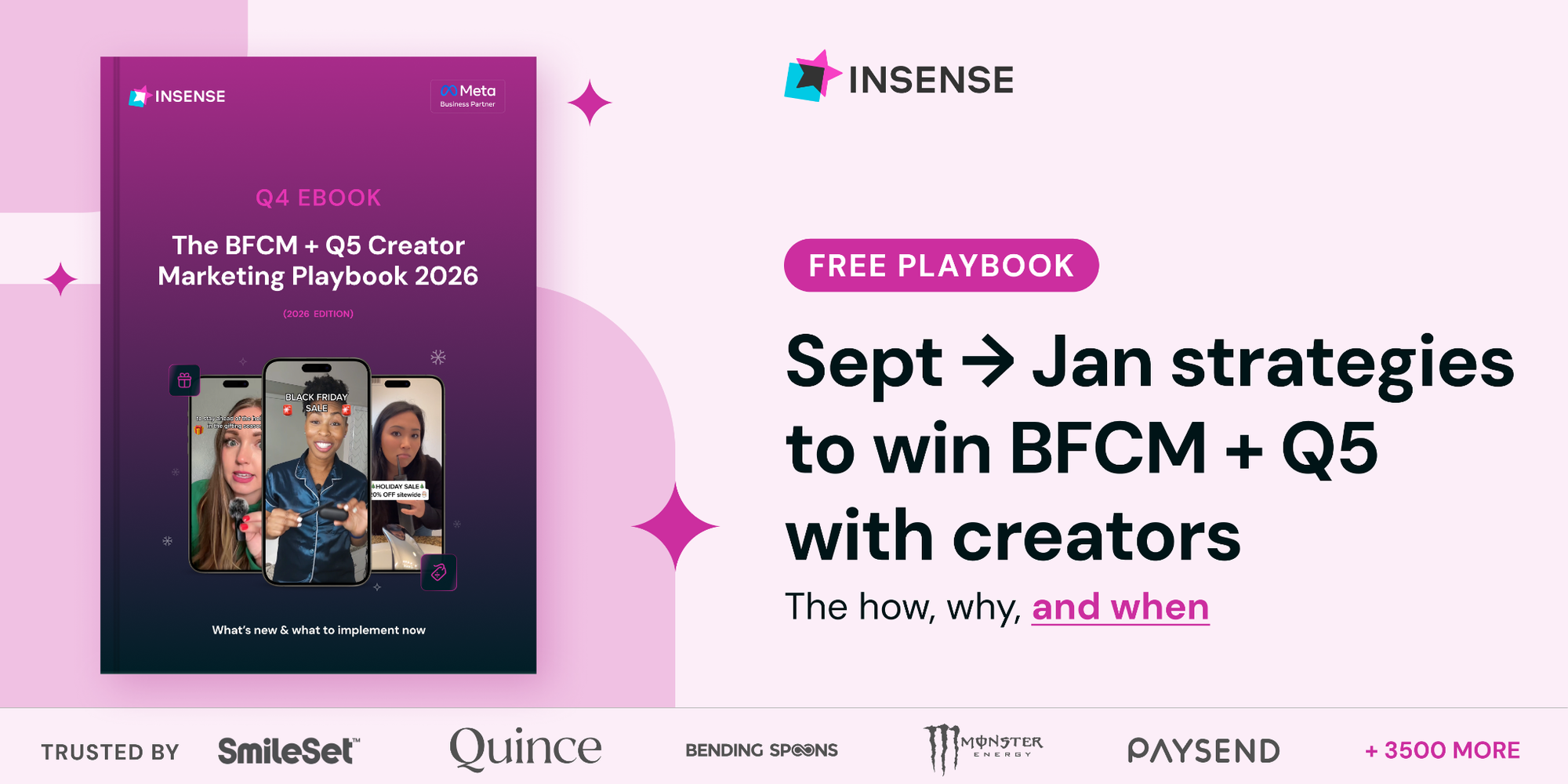
By October, CPMs can already be 20–60% higher. Waiting until November leaves your team buying expensive attention while still chasing creators, approvals, and usable content.
Insense’s free BFCM + Q5 Creator Marketing Playbook gives DTC marketers a week-by-week plan from September through January, so every creator campaign starts with a clear deadline and purpose.
Inside, you’ll learn how to:
- Adapt to four shifts that have changed how Q4 is won this year
- How to source the right creators within 48 hours
- Time organic and paid social campaigns across BFCM and the overlooked mid-December-to-January Q5 window.
Get the free playbook and turn the busiest selling season into a campaign your team can execute without last-minute scrambling.
Insense is the creator engine for consumer brands scaling past $2M, looking to save 40+ hours on creator operations per month - especially in Q4.
Book a free strategy call by October 2nd and get $200 towards your first campaign.
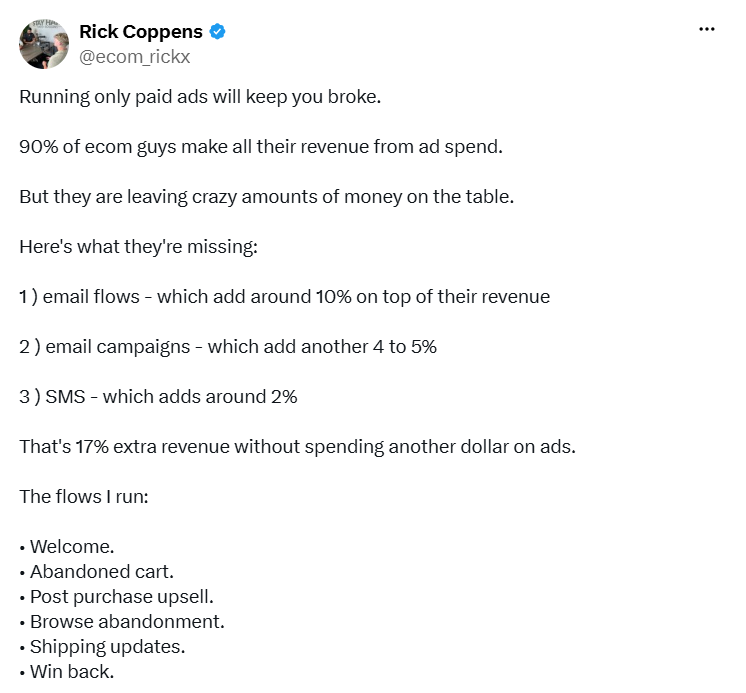
🐥 Tweet Worth Saving
🥳 Events
🔥 Where AI Actually Looks Before Recommending Your Brand
Today | 1 PM ET | Virtual Event
Using 3 million citation events across 81 enterprise software topics, Foundation CEO Ross Simmonds and AirOps’ Josh Spilker reveal which third-party sources influence AI shortlists. See where your category gets cited, which gaps cost consideration, and where your next content investment should go.
Can't attend the session live? Register anyway, and you’ll get the recordings in 24 hours.
Thanks for being part of the WAW team 💃 We’d love to know if this was helpful so we can continue playing it smart with the right strategies.