Approvals are your Q4 bottleneck
⏳ Creator videos often spend longer waiting for sign-off than they took to film, and in Q4 every lost day costs test time, and more!

Hello! You've arrived at What Actually Works 🤓
We break down the real strategies, decisions, and plays that actually move the needle in your marketing, and here it for today.
⏳ Your creator videos are ready. They’re just stuck in review
Follow one creator video through a typical approval, and the delay is rarely the creator.
- Day 1: draft arrives in someone’s inbox.
- Day 3: brand manager replies with notes.
- Day 5: revised draft arrives.
- Day 8: legal flags a claim in the caption.
- Day 10: second revision arrives.
- Day 13: final approval, after a reminder.
Thirteen days, and the creator worked on it for maybe two. The rest was waiting. Those figures are illustrative.
In Q4 that wait is expensive. A video approved on November 20 instead of November 7 gets almost two fewer weeks of testing before Black Friday, the window you need to find which hooks deserve peak budget.
Much of that waiting happens in inboxes and DMs, where drafts get buried. Insense handles agreements and approvals in one place, and teams can review content deliverables directly in Slack, Claude, or ChatGPT, then check every collaboration’s status in a single message. Brands report saving 40+ hours on creator operations. You can book a free strategy call by October 30th and get $200 toward your first campaign.
Rule 1: Set a review clock
Give every review round a 24-hour limit, with a named approver and a named backup. If the approver is out, the backup decides. That limit is my judgment.
Rule 2: Cap revisions at two rounds
The first round covers substance: claims, product handling, the opening seconds. The second covers polish. Anything raised after round two waits for the next video.
Rule 3: Clear claims once
In my judgment, legal delays tend to come from the same handful of statements. Before November, have legal approve a claims library: phrases creators can say, phrases they can’t and required disclosure wording. Send it with every brief, so legal only sees videos that stray from it.
Rule 4: Give timestamped notes
“Make it more energetic” costs a round. “At 0:04, bring the product into frame before you speak” doesn’t. Every note should point to a moment in the video and describe the change.
Rule 5: Approve with conditions
If the only issue is a caption edit, approve the video and fix the caption yourself or in the posting tool. Sending a finished video back over text changes costs days.
Measure the wait
Log three dates for every video: draft received, final approval and first ad spend. The gap between the first two is your review time. If it’s longer than the creator’s production time, fix review before booking more creators.
Start with the oldest draft
Find the draft that’s waited longest for feedback and send timestamped notes today.
Partnership with AirOps
Getting cited by AI is not the finish line. Getting chosen is.

Most teams now track citations like a rankings report. But a citation is a mention, and a mention does not build a pipeline.
Buyers use AI to research, shortlist, and decide, so the brands that win give them a reason to pick them.
Three recent AirOps Growth Leader webinars point to the same shift.
- Kevin Indig’s data shows that ranking #1 for your key fan-out queries earns 58% of citations, four times more than rank #10.
- Ross Simmonds found that Google’s AI surfaces lean on Reddit and YouTube, while the assistants favor off-site product and comparison pages.
- Eli Schwartz argues that every asset still needs a conversion path.
You’ll leave with practical tips on which pages to prioritize and how to give AI-referred buyers a clear next step.
Read the full takeaways to see where your content and off-site effort should go next.
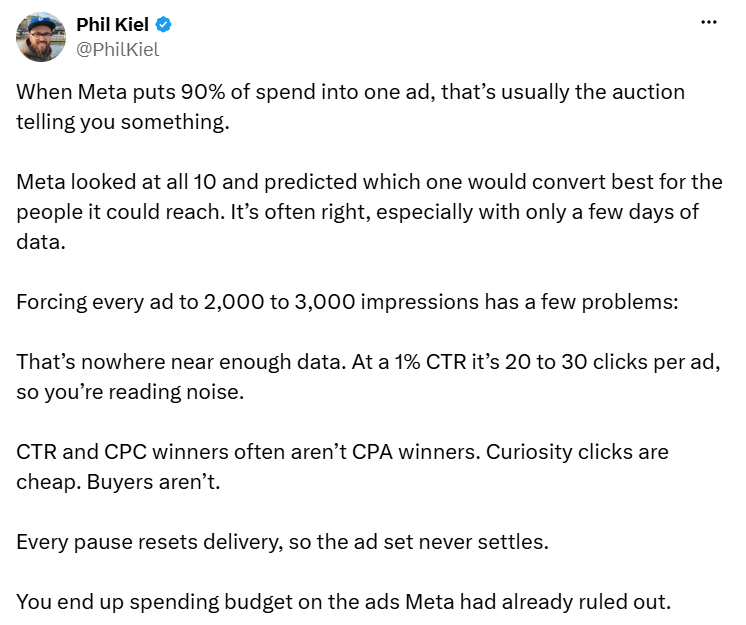
🐥 Tweet Worth Saving
Thanks for being part of the WAW team 💃 We’d love to know if this was helpful so we can continue playing it smart with the right strategies.